In the village of Aygevan, in Armenia’s Armavir region, fruit growing has always been part of daily life. For Karen Aghakhanyan, it started even closer to home – in his own family garden.
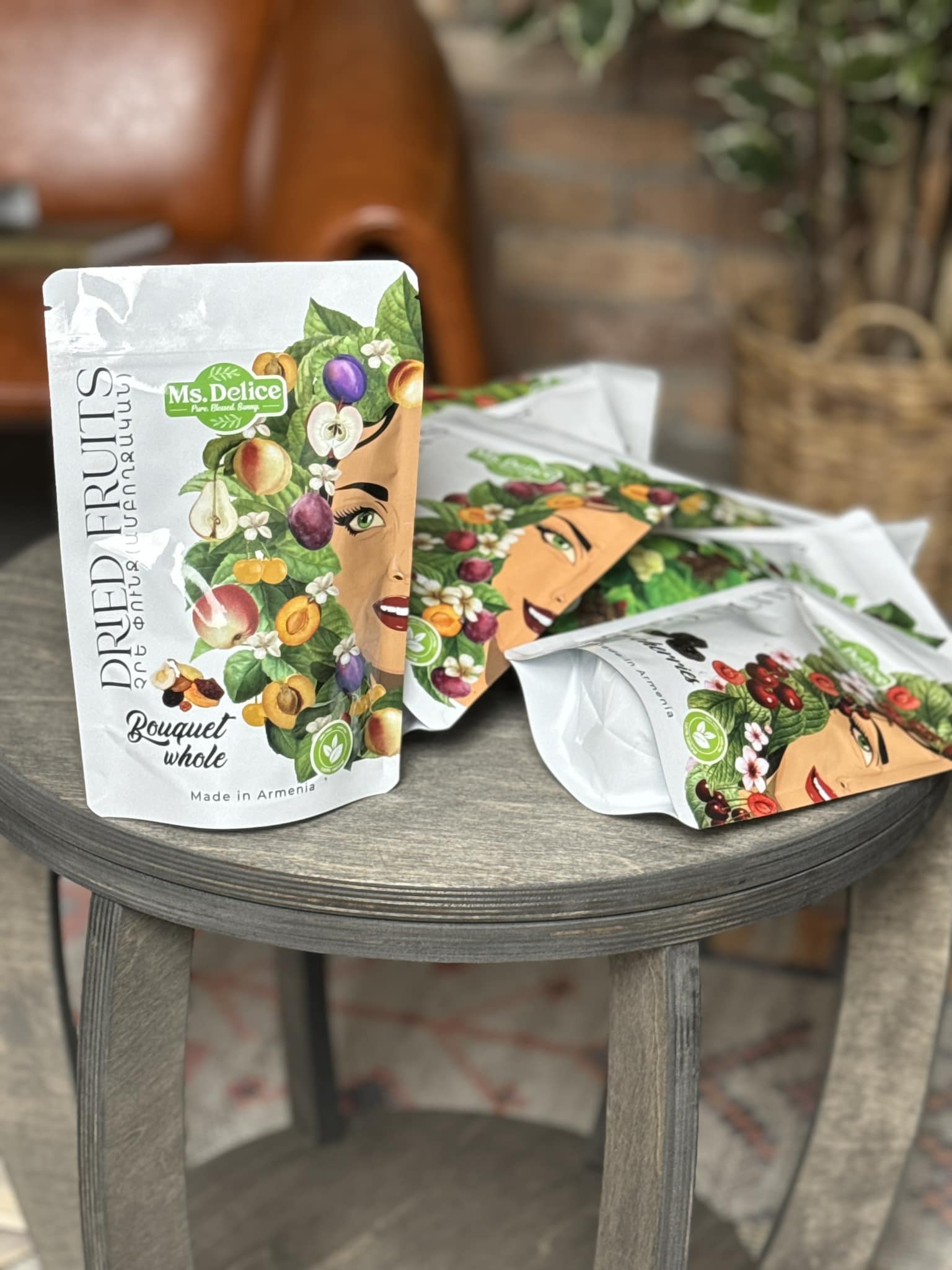
What began as a small, family-run initiative in 2018 gradually took shape as Ms. Delice, a dried fruit business built on local produce, traditional methods and community ties.
Some of the fruits still come from the family’s own land. The rest are sourced from nearby farmers – a model that keeps production local while supporting livelihoods across the village.
Inside the factory, much of the work is carried out by women from the community. Their experience and care shape each product, from cleaning and preparation to drying. Using solar dryers alongside gas and electric systems, the company focuses on preserving both quality and consistency.
From local production to market ambition
In its early years, Ms. Delice operated mainly as a bulk producer, selling dried fruits in large 10 kg boxes. But as demand grew, so did the ambition to move beyond wholesale and enter retail markets.
That shift required more than scaling production. It meant rethinking how the company presented itself – from branding and packaging to how it approached international buyers.
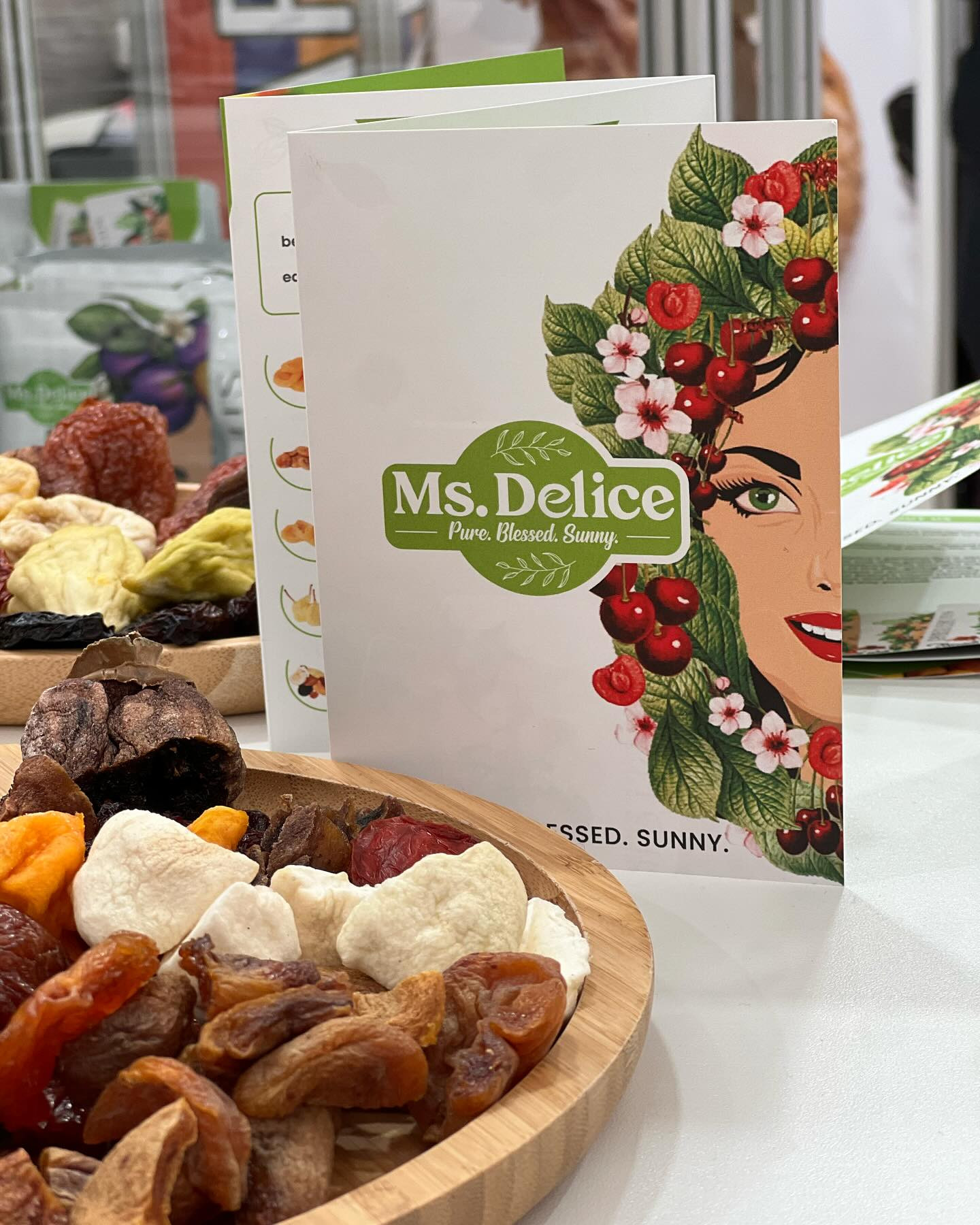
“With support from the International Trade Centre, we realised that our packaging and presentation needed to reflect the quality of our products,” says Karen Aghakhanyan, founder of Ms. Delice. “Our new branding helped us present our products much more confidently in the market.”
Through support provided under the EU4Business initiative, implemented with the International Trade Centre (ITC), the company undertook a full rebranding process and strengthened its export strategy.
Learning to compete globally
Participation in international trade fairs became a turning point.
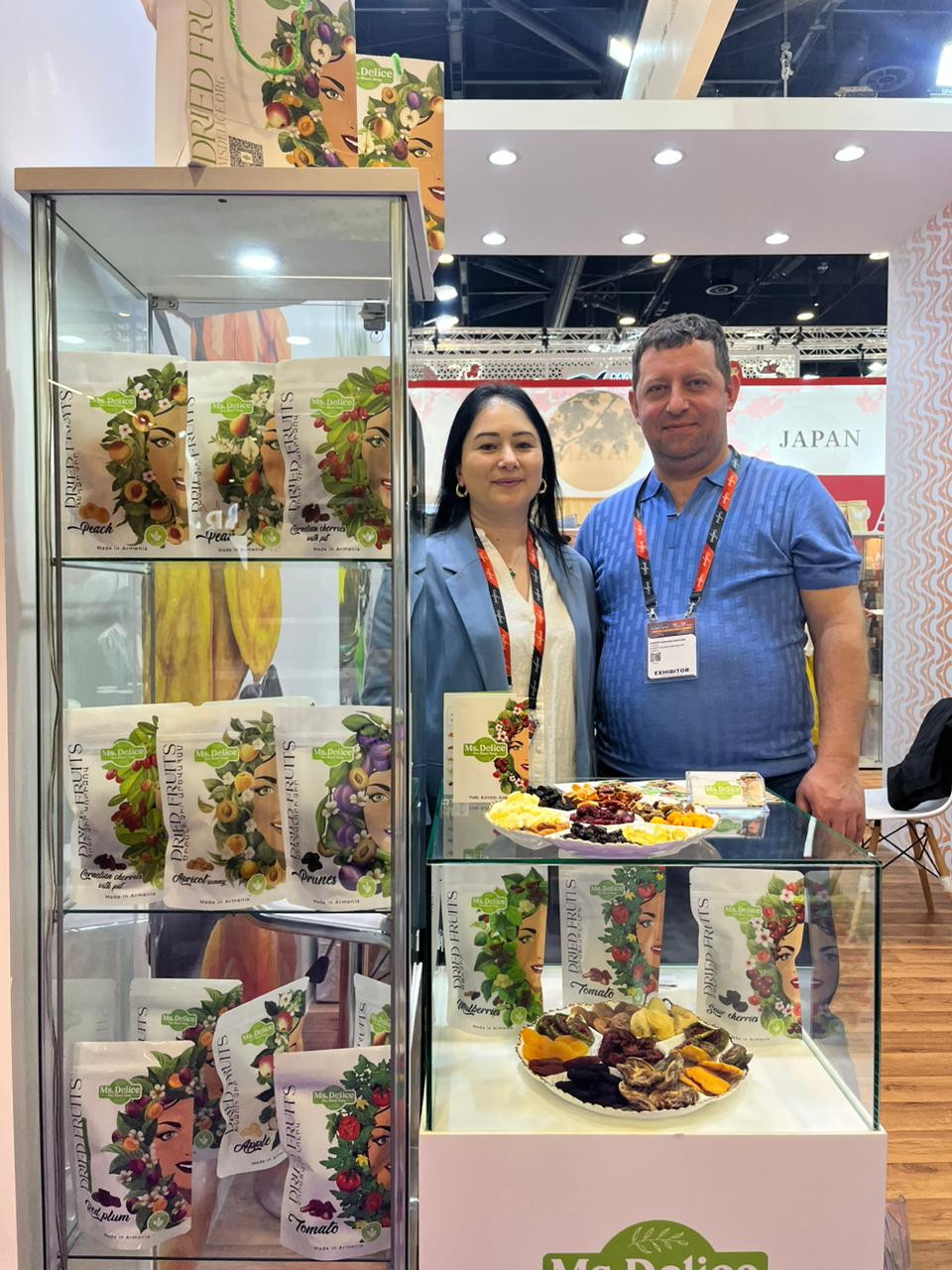
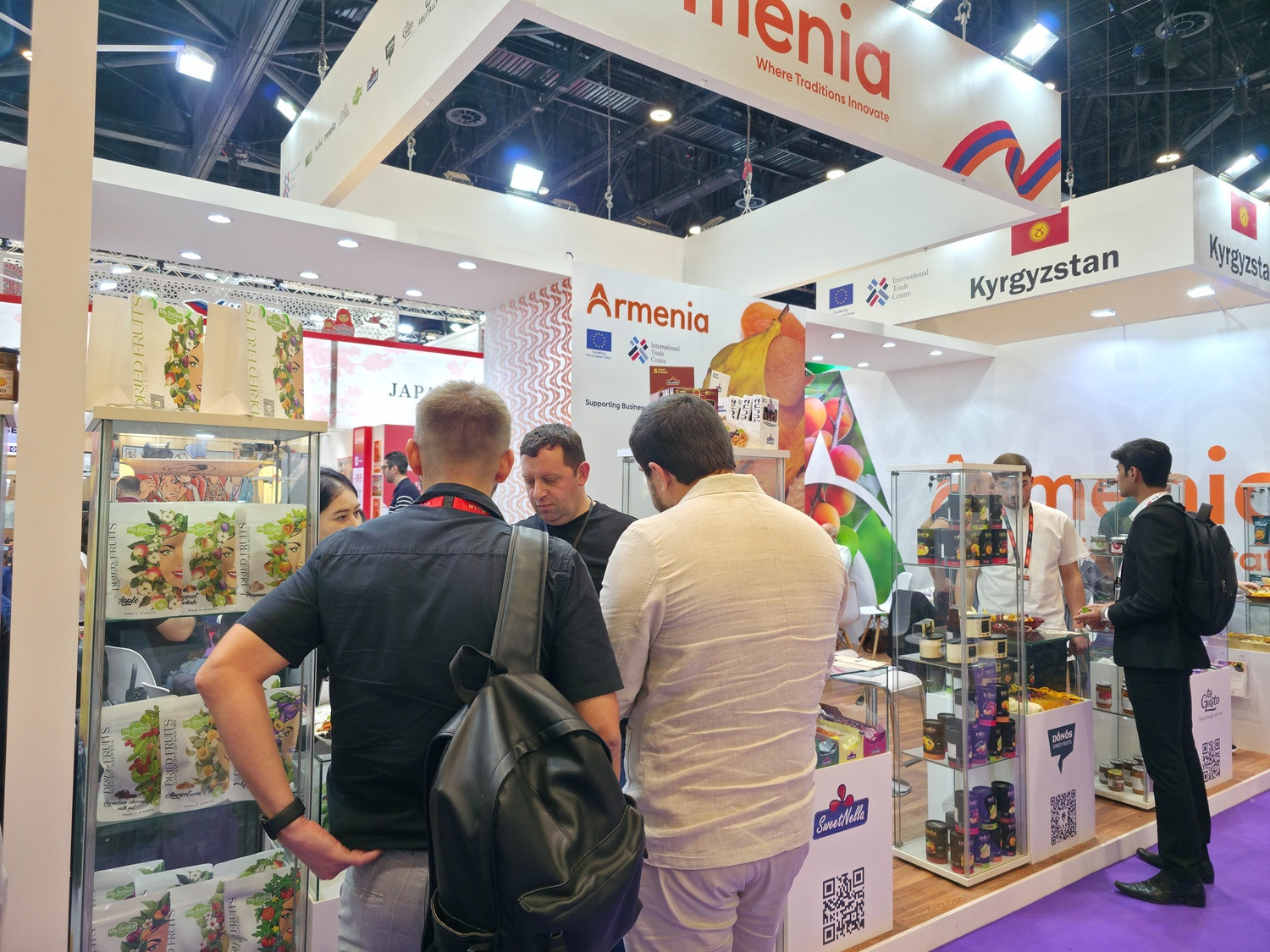
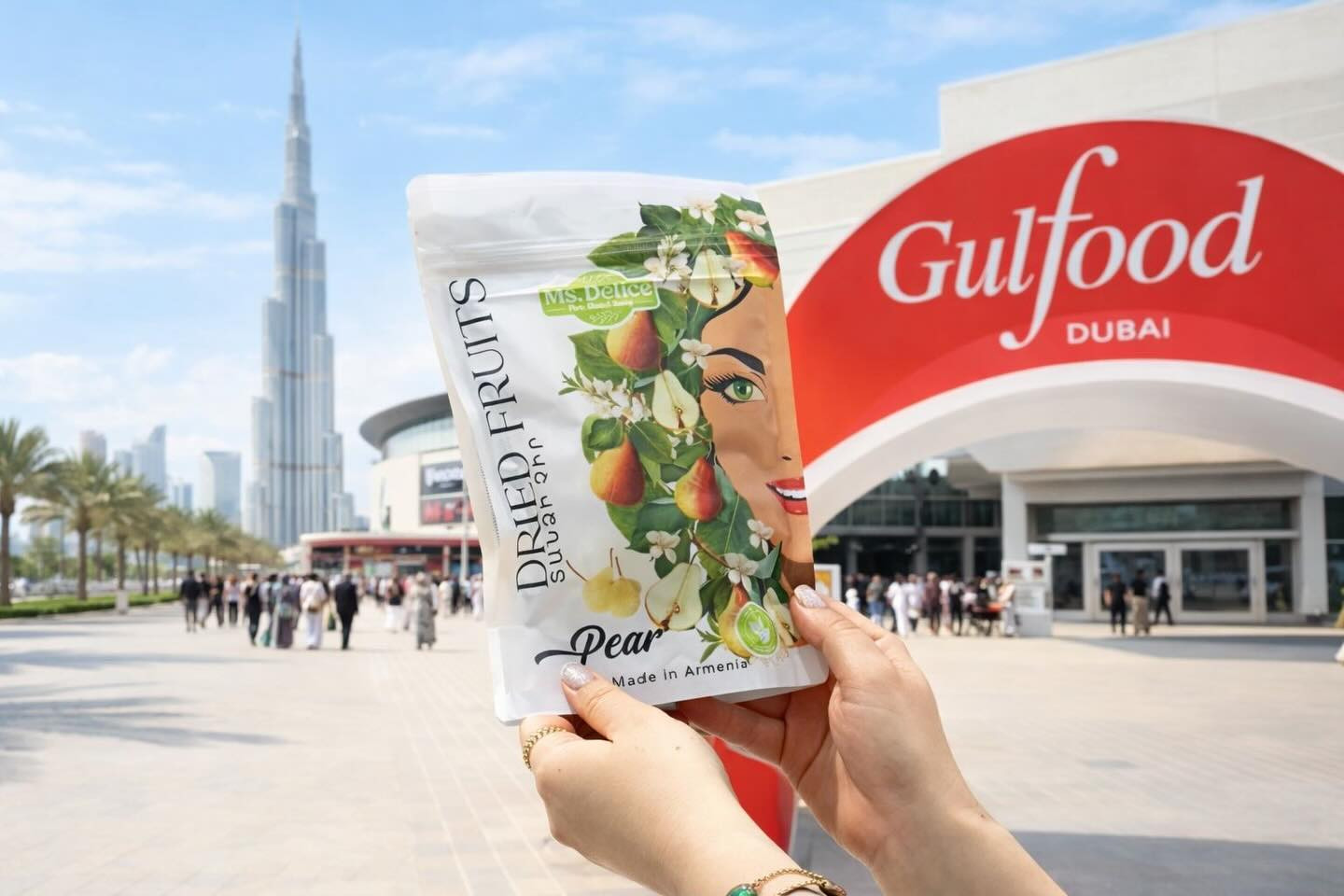
At SIAL Paris and later at Gulfood, Ms. Delice moved from simply showcasing products to actively negotiating with partners. Training and advisory support helped the team approach these opportunities differently – with clearer positioning and stronger confidence.
“We are very grateful for the support we received. Before, we didn’t know how to properly present ourselves or negotiate,” Karen explains. “Now we go into meetings with clear goals.”
These changes quickly translated into results. At Gulfood, the company established a partnership with a UAE-based retailer, opening access to a highly competitive market. Follow-up negotiations helped strengthen and extend that collaboration, while participation in Anuga led to a new partnership in Germany.
At the same time, the company expanded its product range, introducing fruit chips and developing more consumer-oriented products.
Building an export-ready business
With continued support, Ms. Delice also obtained ISO 22000 certification – a key step in meeting international food safety standards and accessing new markets.
“Taking part in the programme helped us move forward and work with international partners,” Karen adds.
Today, the company is no longer just a local producer. It is an emerging export-oriented brand, connecting a small Armenian village to international supply chains.
More than growth
For Ms. Delice, growth is not only about new markets. It is also about sustaining local production, creating jobs – particularly for women – and ensuring that traditional skills remain part of a modern business.
With the right support, a small family initiative can evolve into a competitive export business – without losing its roots.